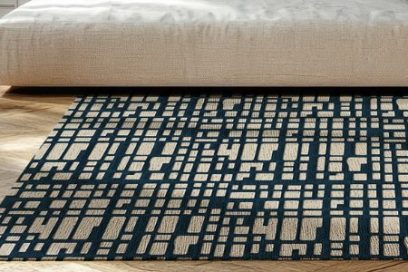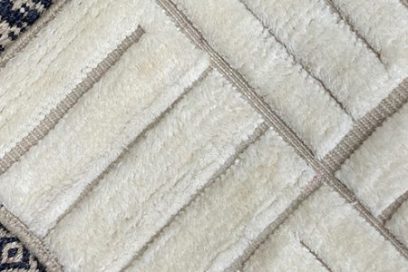

A bespoke rug is designed and produced specifically for an individual interior, making the process more involved than purchasing an off-the-shelf rug. From developing the initial concept to selecting materials and completing the final finishing, each stage requires careful attention to detail.
The time required to create a bespoke rug can vary depending on the size, complexity and specifications of the project. Understanding the different stages of the process can help homeowners, interior designers and project managers plan ahead.
This guide explores the key stages involved in creating a bespoke hand tufted rug and the factors that can influence the overall production time.
Step 1 – Developing the Rug Design
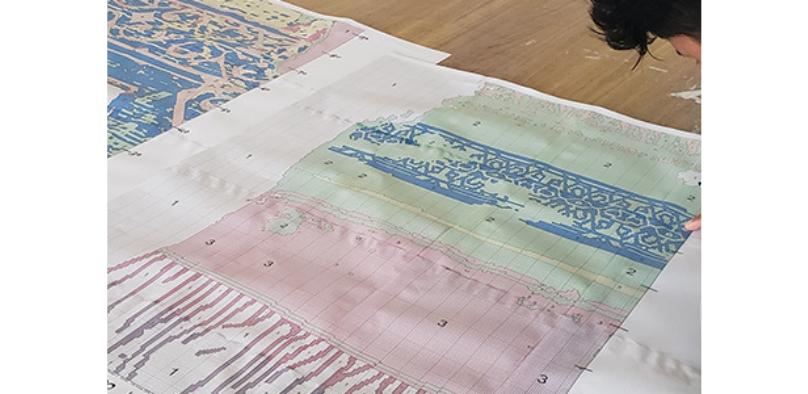
The first stage is establishing the design concept. This may involve an existing artwork, reference image, pattern or completely original idea.
For interior design projects, the rug may need to be developed around the proportions of a room, furniture layout or wider material palette. Colours, dimensions and design details can be refined at this stage to ensure the finished piece works harmoniously within the space.
The more detailed or complex the design requirements, the more time may be required during the development stage.
Step 2 – Selecting Materials and Colours
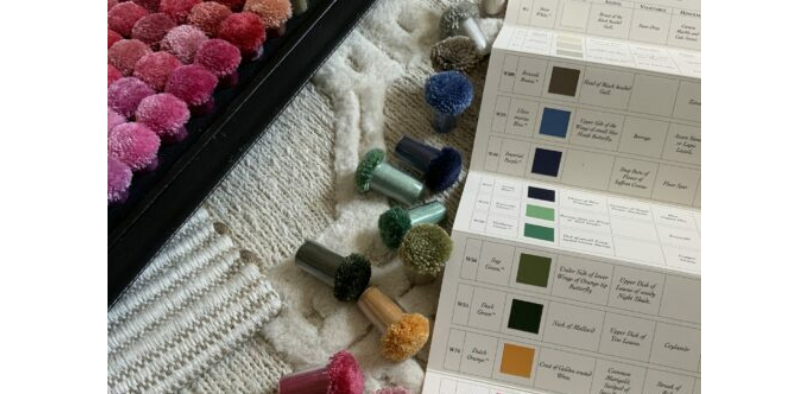
Once the design direction has been established, the appropriate materials and colours can be selected.
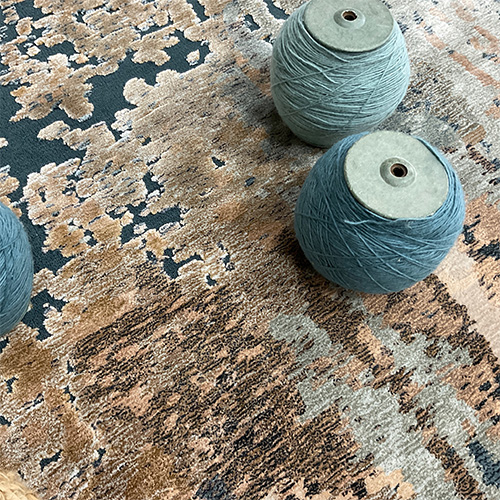
Different fibres can create different textures, finishes and levels of visual depth. Concept Hand Tufting works with premium materials including hand spun Merino wool, jute, polished cotton and bamboo fibres, alongside other materials selected according to project requirements.
Where precise colour matching is required, additional development and sampling may be necessary before production can begin.
Step 3 – Producing Samples
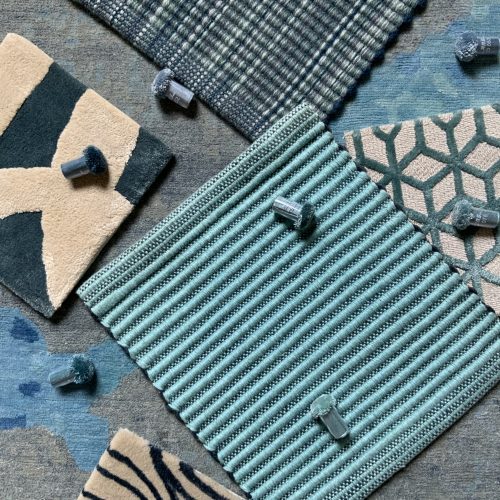
Depending on the requirements of the project, samples may be created to confirm the chosen colours, materials and textures.
Sampling provides an opportunity to assess how the selected materials work together before the full rug is produced. This can be particularly valuable for luxury interior projects where the rug needs to coordinate precisely with upholstery, flooring, furniture or other finishes.
Projects with more complex material or colour specifications may therefore require additional time at this stage.
Step 4 – Hand Tufting the Rug
Once the design and specifications have been approved, the rug can move into production.
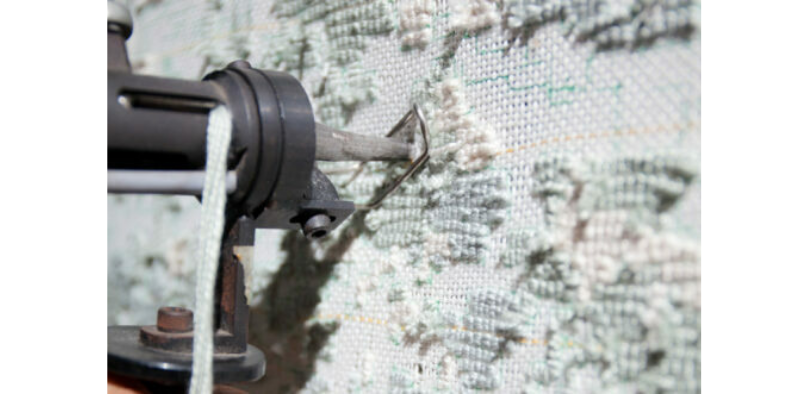
Hand tufting involves working yarn into a backing material to build up the design. Each area of the rug is carefully constructed according to the approved artwork, with different colours, pile heights and textures incorporated where required.
The size and complexity of the rug have a significant influence on how long this stage takes. A large rug featuring an intricate design and multiple pile constructions will generally require more production time than a smaller, simpler piece.
Step 5 – Finishing the Rug
After the tufting is complete, the rug undergoes finishing processes to prepare it for installation.
This can include securing the construction, trimming and refining the pile and ensuring that the surface meets the required specification. Any additional finishing requirements will depend on the design and materials used.
Careful finishing is an important part of achieving the quality and appearance expected from a bespoke rug.
Step 6 – Quality Checking and Delivery
Before the finished rug leaves the studio, it can be checked against the approved design and specifications.
For interior design projects, this final stage is particularly important. Dimensions, colours, materials and overall finish all need to meet the requirements established during the design process.
Once complete, the rug can then be prepared for delivery or installation at its intended location.
How Long Does the Whole Bespoke Rug Process Take?
The total time required depends on the individual project. A relatively simple bespoke rug may progress through the design and production stages more quickly, while a large or highly detailed rug can require a longer lead time.
The schedule may also be affected by the number of design revisions, sampling requirements, material availability and the complexity of the construction.
For this reason, it is best to discuss the project as early as possible, particularly when a bespoke rug is being specified as part of a wider interior design or construction programme.
Creating Your Bespoke Rug with Concept Hand Tufting
Concept Hand Tufting works with homeowners, interior designers and other professionals to create bespoke rugs tailored to individual projects.
From the initial concept through to material selection, hand tufting and finishing, each stage is carefully considered to ensure the finished rug meets the requirements of the space.
Whether you have an existing design that you would like to adapt or are starting with a completely original concept, the team can guide you through the bespoke rug process and advise on the appropriate specifications and production requirements.
If you are considering a bespoke rug for your next interior project, contact Concept Hand Tufting to discuss your requirements and establish a suitable production schedule.